 Socialheads
Built for
every kind of care
From children’s homes to mental health services, discover how Socialheads adapts to your world.
Designed to create better outcomes for everyone
- Provides lasting positive outcomes by including wider support networks
- Builds consistency and helps young people stay engaged with appointment reminders
- Gives young people agency and control over their data
- Offers secure and transparent data governance
- Fosters seamless communication, timely interventions, and stronger trust with young people

For young people
Young people want to connect with trusted professionals in a way that feels normal and private. The Socialheads app gives them a safe space to message practitioners using their own device, without sharing personal numbers or using social media. They can choose how they communicate and what they share. It helps them stay in touch between visits, check in when something changes, and build steady, positive relationships over time. Privacy and safety are built into how it works, not added on later.

For care professionals
Care professionals need to keep contact consistent, record it properly, and stay within clear boundaries. Socialheads keeps work communication separate from personal devices and social media. All messages are stored securely, so handovers are smoother and there's a record of support when staff move on. Before a face-to-face visit, workers can look back quickly at recent messages to see what's been discussed. It saves time, reduces risk, and helps practitioners focus on building trust.

For organisations and local authorities
Services already use case management systems, and Socialheads is designed to work alongside them. It provides a secure space for communication that can easily feed into existing workflows. Staff can export summaries or key points into their usual case notes when needed. Managers can see communication activity across teams and identify where support might need to increase. This makes audit and inspection preparation more straightforward, while reducing duplication and admin for staff.

For supported accommodation
Supported accommodation isn't staffed 24/7, so staying connected between visits is vital. Socialheads gives residents and staff a safe, familiar way to communicate using their own devices. Workers can send reminders, check in, or follow up on concerns even when off-site, and all messages are recorded automatically. Managers can review communication patterns across different properties, keeping services consistent and inspection ready. It fits naturally alongside how supported accommodation already works — flexible, mobile and built on trust.
For children’s care homes
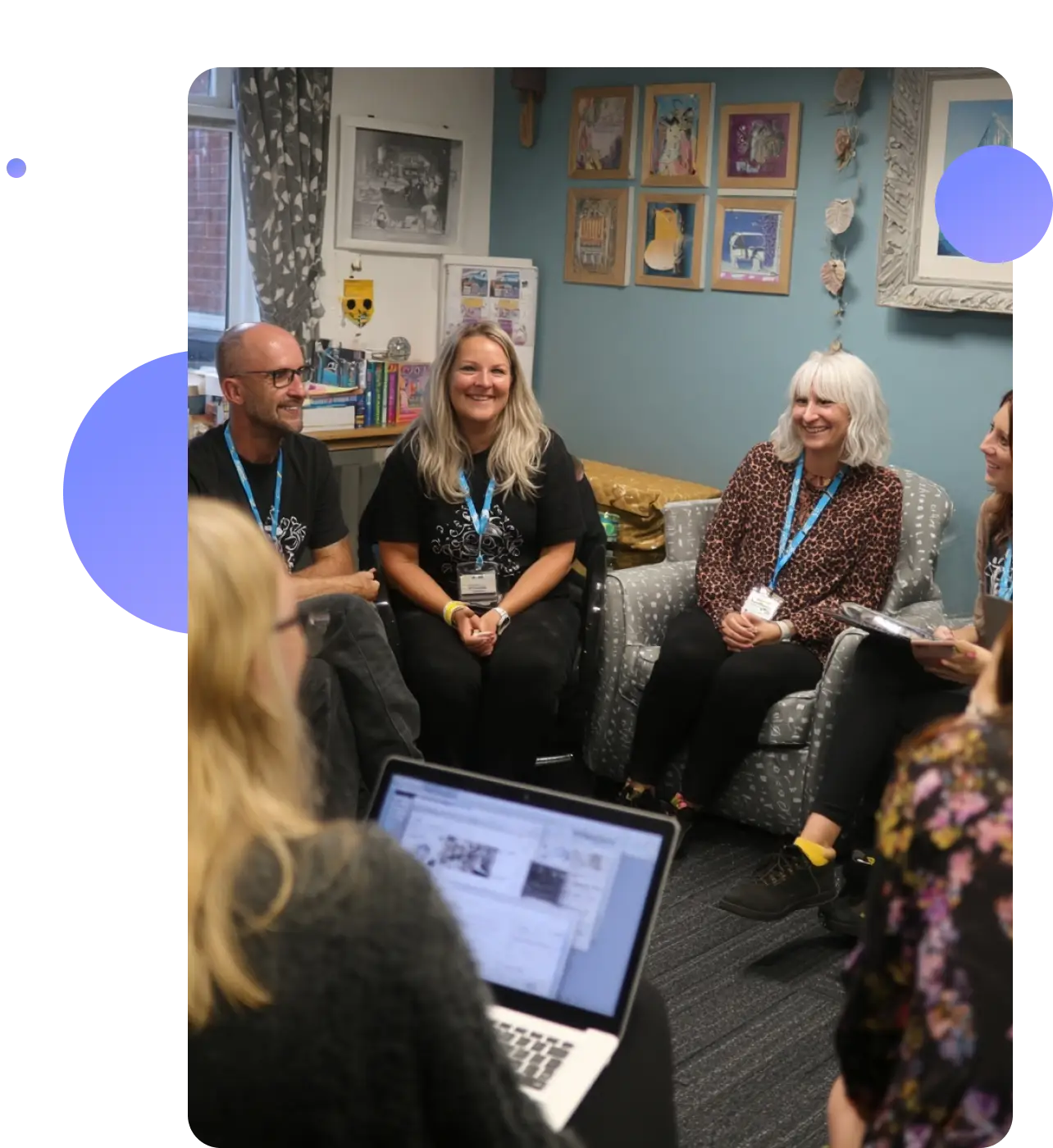
Children's homes need clear records and safe ways to communicate with young people. Socialheads lets staff message securely while keeping professional boundaries in place. Messages are stored to create a clear record for each child, supporting CQC and safeguarding requirements. Staff can see what's already been said so young people don't have to repeat themselves. It keeps contact warm and human, but properly documented and accountable.
For local authorities
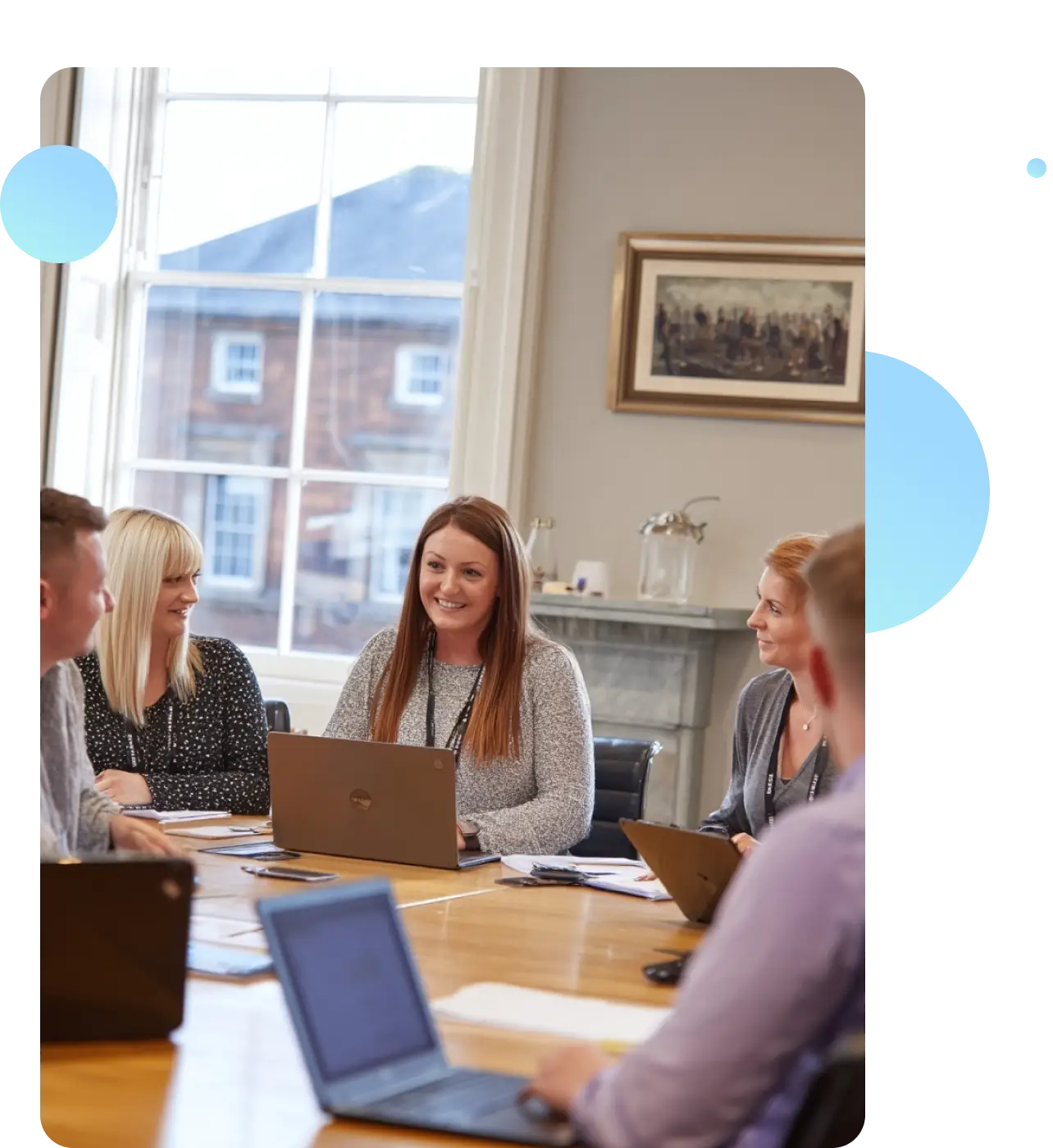
Local authority teams often work across different systems and services, which makes communication hard to track. Socialheads gives social workers, leaving care teams and family support workers a shared, secure space for contact with young people and families. Conversations can be exported or summarised into existing records when needed. Managers have an overview of engagement and can evidence this in audits or reviews. It supports good governance, without adding new layers of admin.

For mental health services
Mental health practitioners need to keep contact going safely between sessions. Socialheads provides a professional space for short check-ins, reminders or follow-up messages, without using personal numbers. Messages are stored securely, making supervision and record keeping easier. Before a session, staff can see recent contact at a glance, helping them stay connected and respond early if concerns come up. It keeps boundaries clear while maintaining reliable support.

For practitioners
Practitioners — social workers, youth workers, coordinators — often balance heavy caseloads and changing teams. Socialheads separates work messages from personal communication and keeps an accurate record of every conversation. Staff can check the latest messages before meetings or visits, making face-to-face time more focused. It saves time on paperwork and helps ensure nothing important gets lost during handovers or staff changes.

For charities & community organisations
Charities and voluntary services need tools that meet safeguarding standards without the cost or complexity of enterprise systems. Socialheads gives teams a secure, affordable way to manage digital communication with the people they support. Records can be shared within the team or used to show impact to funders. Staff can see who's been contacted, when, and about what — keeping things organised and compliant. It helps small teams run safely and efficiently while staying close to the people they help.
Ready to get started?
Join our pilot program and help shape the future of care communication